
5 Signs You Might Need a Dental Crown
A single damaged tooth can be easy to ignore until it starts affecting daily life, which is why scheduling a visit at the first sign of trouble matters. Many patients searching for dental crowns in Lynn Haven are simply trying to figure out whether their symptoms point to a bigger problem.
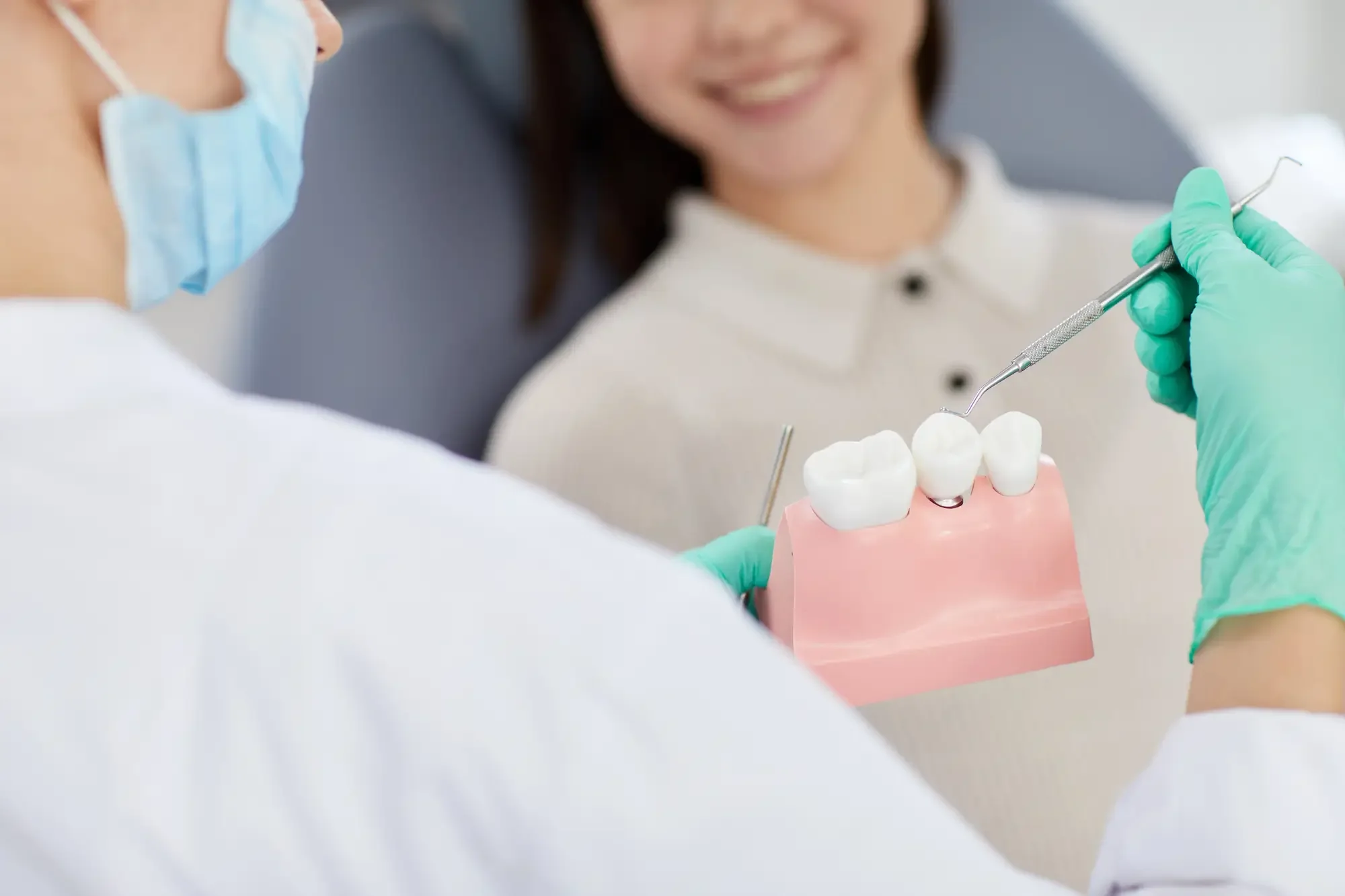
Common Warning Signs a Crown Might Help
A crown isn't always the obvious answer right away, but a few recurring symptoms tend to point in that direction.
Sign 1: A Cracked or Fractured Tooth
A visible crack, even a small one, can worsen quickly under normal chewing pressure. A custom crown covers and protects the tooth, preventing further damage from spreading.
Sign 2: Ongoing Tooth Sensitivity or Pain
Sharp pain when eating something hot, cold, or sweet often signals that a tooth's inner layers are exposed. This kind of persistent discomfort is worth having checked rather than managed with over-the-counter remedies alone.
Left untreated, this kind of sensitivity can sometimes progress into a more serious infection requiring additional treatment. Addressing it early usually means a simpler fix.
Sign 3: A Large Filling That's Failing
Teeth with extensive dental fillings sometimes have less natural structure left to support them over time. When a filling starts to crack or loosen, a crown can rebuild the tooth's strength instead of repeating the same repair.
Sign 4: Visible Wear or a Worn-Down Tooth
Years of grinding, clenching, or general wear can flatten a tooth's surface and change how the bite feels. A crown restores the original shape and helps distribute chewing force more evenly.
Sign 5: A Tooth After Root Canal Treatment
Teeth that have had root canal treatment often become more brittle over time. A crown adds a protective layer that helps the tooth hold up for years to come.
What Happens If the Damage Is More Severe
Not every damaged tooth can be saved with a crown alone, and that's worth understanding too.
In cases of widespread decay or a tooth that's fractured below the gum line, tooth extractions may end up being the more realistic option. Trying to save a tooth that's too far gone can sometimes lead to repeated procedures and added cost over time.
For patients missing one or more teeth, dentures can restore a full, functional smile afterward. Keeping up with routine visits and preventive steps like dental sealants on other teeth can also help avoid similar issues down the road.
Frequently Asked Questions About Dental Crowns
Does getting a crown hurt?
The area is fully numbed before any adjustments are made, so most patients feel pressure rather than pain. Mild soreness for a day or two afterward is normal and typically fades on its own.
How long does the process take?
A traditional crown usually requires two appointments, with a temporary crown worn in between. Same-day crown options are available in some cases, cutting that timeline down significantly.
How long do crowns typically last?
With proper care, a well-made crown can last well over a decade. Research on long-term crown performance supports this, and clinical guidance on crown care backs up that lifespan when paired with good oral hygiene.
Are dental crowns noticeable?
Modern crowns are shaded and shaped to blend in with the surrounding teeth. Most people won't notice a crown is there at all once it's in place.
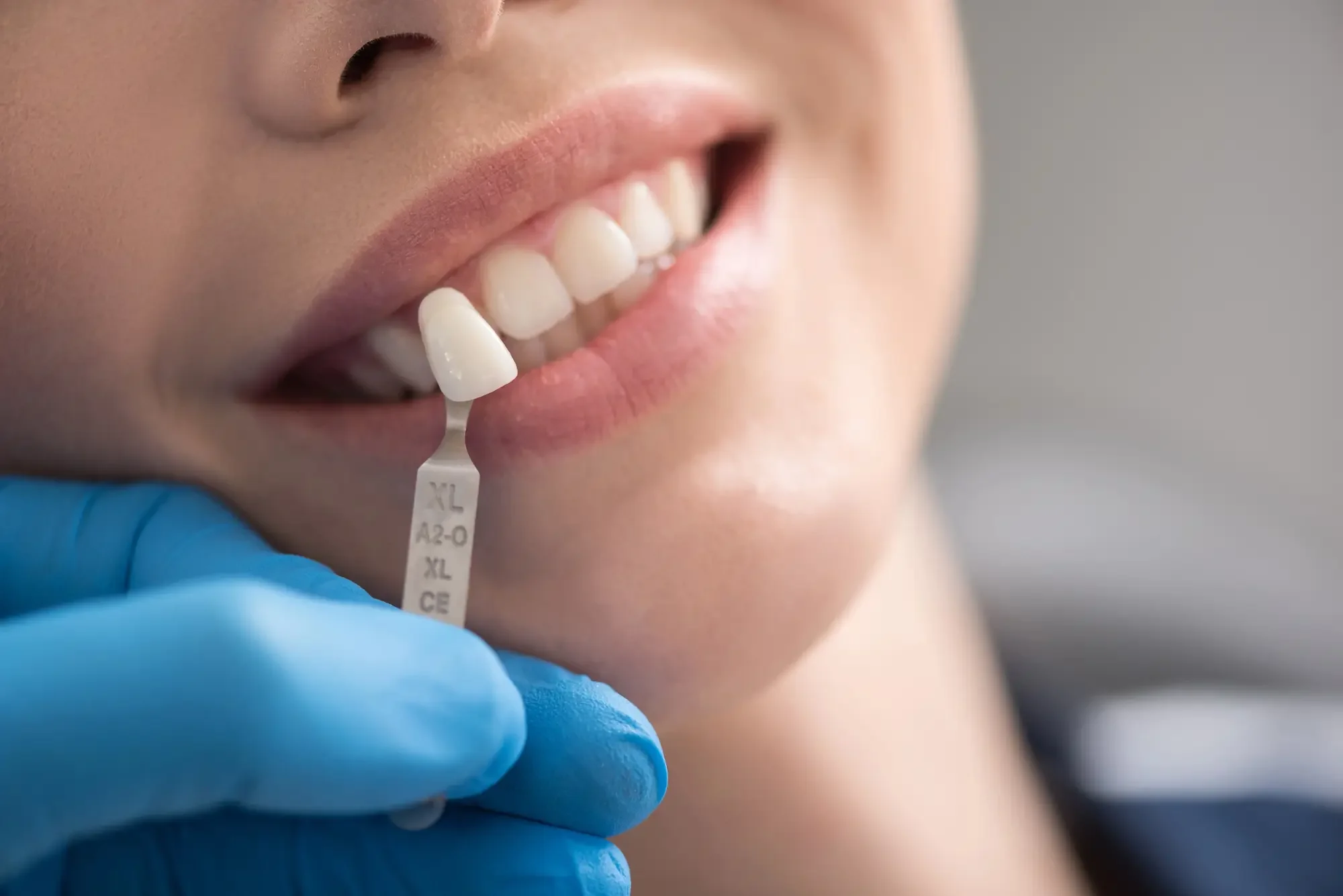
Get Dental Crowns in Lynn Haven
Catching these warning signs early often means a simpler, more comfortable fix down the road. Gerlecz Dentistry offers dental crowns in Lynn Haven for patients dealing with cracked, worn, or sensitive teeth, and invites anyone noticing these symptoms to schedule a visit and explore the full range of treatments available.